Health News
Functional Medicine: A Holistic Approach to Optimal Health
In an era where modern medicine has advanced significantly, more and more people are now looking for more comprehensive and personalized health approaches. Traditional medicine, focused on relieving symptoms, sometimes leaves individuals unsatisfied, seeking deeper answers to their health problems. It is in this emerging context that functional medicine stands out as an innovative and promising alternative. While conventional medicine often focuses on treating isolated symptoms, functional medicine takes a holistic approach, seeking to understand and treat the underlying causes of health problems. What is functional medicine? Functional medicine: a global approach to well-being Founded on a solid scientific foundation, functional medicine is distinguished first of all by its commitment to exploring beyond apparent symptoms , seeking to understand the overall functioning of the body. This innovative approach goes much further than treating the superficial manifestations of a disease by diving into the complex interactions between various biological systems , including the connection between the body and the brain. Compared to allopathic medicine, which adopts a symptomatic vision and a traditional therapeutic approach, functional medicine acts in a preventive manner , offering long-term answers. Restoring fundamental balance for optimal health This approach asks the main question: why does the body experience imbalances, and how can they be corrected in a sustainable manner? These systemic imbalances are considered to be the precursors of signs and symptoms, subsequently diagnosed as diseases. Functional medicine thus aims to improve the management of chronic and complex diseases by acting at various levels to resolve fundamental imbalances, whether they are immunological, inflammatory, digestive, etc. Its objective is to restore the functionality and health of the patient in harmony with their environment and their own physiological processes. Functional medicine therefore aims to restore physiological balance, anticipate illness and optimize health as a whole . It thus represents a paradigm shift, emphasizing prevention and a thorough understanding of the body to promote optimal health. The Pillars of Functional Medicine To realize its fundamental principles, functional medicine relies on two essential pillars: a thorough health assessment and the personalization of treatments. First , the thorough assessment involves the use of advanced laboratory tests, going beyond standard analyses. These tests allow to explore the metabolic, hormonal and nutritional aspects of the body, thus providing a complete picture of the patient's physiology. It takes into consideration the biochemical individuality of the patient (individual variations of metabolic functions resulting from genetics and different environments). At the same time, functional medicine practitioners analyze in detail the patient's lifestyle, diet, sleep habits and stress level to understand the environmental factors that could influence their health. For example, this medicine promotes rest for better health. Treatment may therefore involve, in particular, hygiene and dietary advice. Finally, personalization of treatments is also a core principle. Rather than relying on one-size-fits-all solutions, functional medicine takes a tailored approach. Functional nutrition plans, targeted supplements, and specific lifestyle recommendations are developed based on the patient’s individual needs . This personalized approach aims to address not only visible symptoms, but also underlying dysfunctions, promoting lasting results and continued improvement in health. Functional Medicine vs Traditional Medicine To fully appreciate functional medicine, it is essential to compare its approach to that of traditional medicine. Where conventional medicine can sometimes treat symptoms in isolation, functional medicine views the body as an interconnected system , operating as an orchestrated network of connected systems. Individual systems influence each other. For example, immunological dysfunctions can promote cardiovascular disease, nutritional imbalances can cause hormonal imbalances, ecological pollutants can precipitate neurological syndromes such as Parkinson's disease… Another key difference is the emphasis on prevention . Functional medicine incorporates preventative practices, seeking to identify and correct imbalances before they lead to overt symptoms . Collaboration between functional medicine practitioners and traditional medicine professionals thus becomes a crucial aspect in providing patients with a full range of treatment options. Different standards In conventional medicine, a biological value is considered normal when it falls between certain specified values. However, functional medicine recognizes that in order to function optimally, some patients may require different levels. This takes into account the genetically acquired enzyme heritage, where some people will have an increased need for certain trace elements or vitamins to function well. Functional values, according to functional medicine, can sometimes differ from normal values. For example, it is increasingly recognized that some thyroid hormone receptors can be resistant, which means that some patients will only see their hypothyroidism symptoms disappear with supranormal thyroid hormone blood values. Criticisms and Challenges Despite its many benefits, functional medicine is not without its critics. Some point to the need for a more rigorous approach to scientific research to validate the specific methods used in this field. The personalization of treatments, although considered a strength, can also be seen as a challenge, as it makes it difficult to implement standardized approaches . In addition, the integration of functional medicine into the current health system raises questions about collaboration between practitioners and the common understanding of treatment protocols. However, functional medicine advocates stress that these criticisms should not deter consideration of the approach, but rather stimulate continued research and interdisciplinary collaboration . The challenges, while real, should not overshadow the successes seen in many patients, nor the importance of a holistic approach to health in our ever-changing society. Tips for Exploring Functional Medicine There are several steps that can help you explore this innovative approach. First, finding a qualified functional medicine practitioner is essential. You can consult online directories or ask for recommendations from health professionals. During the initial consultation, you can also ask questions about the practitioner's approach, their specific training in functional medicine, and the diagnostic methods they prefer. It is also recommended to share with your doctor detailed information about your medical history, dietary habits, physical activity level and any other relevant elements for a thorough evaluation. Finally, it is recommended to be open to collaboration between functional medicine and traditional medicine . Informing the general practitioner of the approach and encouraging communication between practitioners will ensure a coordinated approach to health. In conclusion, functional medicine is emerging as a beacon of innovation in the contemporary healthcare landscape. With its focus on root cause research, prevention, and personalized treatment, it offers a holistic approach that transcends the limitations of traditional medicine. Although facing criticism and challenges, functional medicine continues to gain popularity due to its proven results and commitment to overall well-being. However, it remains undeniable that functional medicine and traditional medicine are two complementary disciplines. References School of Functional Medicine. What is Functional Medicine? Stéphane Résimont (doctor in functional and anti-aging medicine, speaker and lecturer). Functional medicine. Anticipation of illness. Del Mar Clinic . Functional medicine.
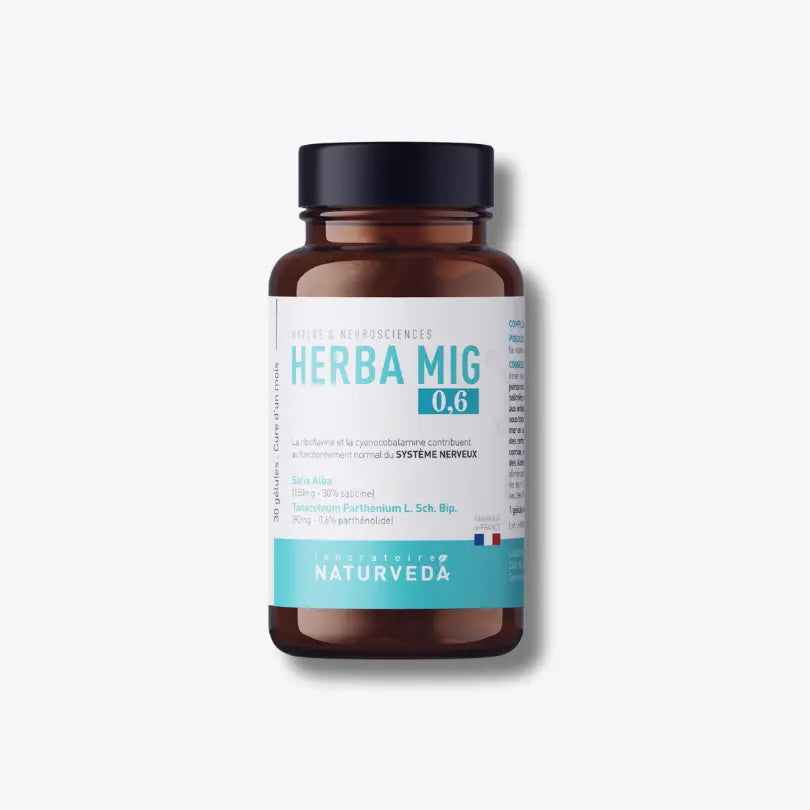
Learn moreAt the heart of innovation: the science behind HERBA MIG 0.6
In a daily life increasingly marked by stress and anxiety , the search for natural solutions to maintain our mental well-being has never been more important. Herba Mig 0.6 presents itself as a natural and unique answer for the relief of these ailments, developed on the basis of rigorous scientific research, and major innovations in the field of food supplements. This article explores the genesis of Herba Mig 0.6 and the central role of science in its development. A fruitful scientific collaboration The development of Herba Mig 0.6 is the result of four years of research, carried out in close collaboration with Inserm - the National Institute of Health and Medical Research in France. This collaboration has made it possible to combine in-depth knowledge of the active ingredients of plants with the latest advances in neuroscience, to create a unique food supplement in its field. Innovation in the service of well-being Herba Mig’s key innovation lies in its improved formula, which incorporates Tanacetum Parthenium titrated at 0.6% parthenolide . This concentration, significantly higher than that used in preliminary studies, marks a turning point in the approach to the natural treatment of stress , anxiety and headaches . How was this concentration chosen, and what implications does it have for the end user? The science behind parthenolide Parthenolide, a compound from Tanacetum Parthenium , is at the heart of Herba Mig research. Its properties have been studied in detail to understand its action on the nervous system and its potential in reducing stress and headaches . The desire to increase its concentration to 0.6% was guided by rigorous clinical studies, demonstrating increased efficacy without compromising the safety and tolerability of the product. A commitment to clinical research What really sets Herba Mig 0.6 apart? It’s the commitment to scientific validation of its effectiveness. A randomized, double-blind, placebo-controlled clinical study highlighted the formula’s significant benefits. The results speak for themselves: improved emotional well-being, reduced stress and anxiety, and fewer headaches among participants. Beyond the formula: a broader spectrum of action Herba Mig 0.6 is not just a dietary supplement. It offers a holistic approach to well-being. In addition to parthenolide, the formula incorporates other natural compounds, such as White Willow, Coenzyme Q10, and vitamins B2 and B12 , chosen for their synergistic action and support for the nervous system. Towards a healthier and more peaceful daily life Herba Mig 0.6 is not only a milestone in the evolution of dietary supplements; it is also a promise for the future. It demonstrates the fundamental role of scientific research in developing effective and safe natural solutions, paving the way for new discoveries in the field of mental health and well-being.
Learn moreOrthopedic solutions that provide relief
The search for a more natural approach to solving health problems has become an irreversible trend. And the world of orthopedics is no exception to this rule. Designed to offer you maximum comfort and well-being, these options with their multiple advantages and therapeutic benefits deserve to be examined closely. Whether it's orthopedic insoles made from natural materials, orthopedic sandals intended to promote better body weight distribution, or hallux valgus correctors that take a non-invasive approach to treating the condition, orthopedic solutions natural have a lot to offer. Podoways is an innovative company in the field of natural orthopedic solutions . Their mission is to provide high-quality orthopedic solutions that not only treat the symptoms, but also the underlying cause of the problems. Podoways is committed to using materials of natural origin in the manufacturing of their products, which perfectly aligns with their work philosophy. By favoring a holistic approach, they offer solutions that combine comfort, practicality and, above all, efficiency. Understanding natural orthopedic solutions Natural orthopedic solutions are alternatives to conventional medicine, which aim to help alleviate and manage orthopedic problems without the use of surgical procedures or synthetic medications. Instead, these natural solutions use a variety of body-friendly methods. These body-friendly methods include a range of manual therapies , such as chiropractic and osteopathy, as well as self-care approaches like exercise comfort and foot support, and orthopedic sandals, which are designed to provide a relief to those who suffer from foot conditions such as hallux valgus. By using these natural approaches , you can often control pain and other symptoms associated with orthopedic conditions, while promoting long-term improvement in your health and well-being. The primary goal of natural orthopedic solutions is to work in harmony with the body, helping to stimulate the body's natural healing response and improving the patient's quality of life. The incomparable benefits of natural orthopedic solutions The natural approach to orthopedics emphasizes prevention, seeking to rectify structural problems before they become serious. This means that many of you could simply eliminate the need for more invasive surgery later. The emphasis on non-invasive solutions is what truly sets natural orthopedic solutions apart. No general anesthesia, no short periods of hospitalization, and no permanent scarring are involved. It's easy to understand why so many of you prefer this kind of treatment. With orthopedic insoles , for example, their design respects the natural shape of the foot to increase comfort. This is a great solution for chronic foot pain. Plus, they're customizable, meaning you can get a product specifically designed for your unique condition and anatomy. Orthopedic sandals are another effective method of preventing and treating several common foot disorders without resorting to surgical procedures. They provide support to your arch, reducing pain and fatigue, while respecting the natural alignment of your foot. Hallux valgus (also called bunion) correctors are a fundamental choice for anyone suffering from this common condition. The beauty of this product lies in its dual action: it can help relieve pain and realign the big toe joint. The therapeutic effect of natural orthopedic solutions Manual therapy , for example, enhances the body's natural recovery and function. This means that it not only helps alleviate the pain but also helps resolve the underlying cause of the problem. These methods are often combined with specific rehabilitation exercises , which help strengthen and stabilize the affected areas. Using natural orthotic insoles can help correct foot imbalance. These highlight pressure areas, reposition the foot and improve the function of the foot and ankle. The result is a remarkable improvement in pain and an increase in mobility. As for hallux valgus correctors , they are designed to realign the big toe. They are often worn at night to help straighten the big toe and reduce pain. It is recommended to use them in conjunction with orthopedic shoes to maintain improvement throughout the day. It is important to note that while working the physical structure, many natural orthopedic products also support the mental and emotional aspect of recovery. Because the body and mind are interconnected and the well-being of one affects the other. This is where the holistic approach to natural orthopedic solutions comes into its own. Comparison: natural orthopedic solutions Vs conventional orthopedic solutions Natural solutions favor a more holistic and much less invasive approach. Conventional orthopedic solutions , such as surgical procedures and prescription medications, can often provide quick and effective solutions to complex problems. However, these options are not without their drawbacks. Surgical procedures always carry risks, such as those related to anesthesia or the risk of infection. Prescription medications can have unwanted side effects and can sometimes be addictive. This is where natural orthopedic solutions come in. These solutions minimize risks and are generally free of unwanted side effects. They aim not only to solve the specific problem, but also to improve the general health of the individual. Using techniques like physiotherapy or devices like orthopedic insoles, these approaches promote gentle healing and pain reduction in a more natural and less restrictive way for the body. The choice between conventional and natural orthopedic solutions depends largely on the specific situation of each individual. But generally speaking, the natural approach is often preferred because of its many advantages. It allows us to understand health holistically, thus minimizing risks while strengthening general well-being. How to choose the right natural orthopedic solutions Orthopedic problems vary greatly from person to person, including age, lifestyle and underlying conditions. Your first step should therefore be a complete assessment of your condition. If you have a diagnosis from your doctor or health professional, this can help you determine what natural solutions might be right for you. Whether you are looking to relieve back pain, improve the comfort of your feet with natural orthopedic insoles, or treat hallux valgus with a corrector, each condition has specific needs. To choose wisely, it is also recommended to take into account your personal comfort and to favor products made from organic or environmentally friendly materials. As a rule, natural orthopedic products are distinguished by their composition and natural manufacturing method. Don't neglect the practical aspect either. Natural orthopedic solutions should fit easily into your daily routine. For example, an orthotic insole should be easy to insert and remove from your shoe, and a hallux valgus corrector should be comfortable to wear, even for long periods of time. Natural solutions: orthopedic insoles and sandals and hallux valgus correctors Orthopedic insoles , designed specifically to support the structure and alignment of the foot. Natural versions are often made from durable, comfortable materials like cork and latex. They can help relieve pain and pressure on certain parts of the foot while promoting natural walking. It should be noted that they are useful both in the prevention and treatment of various foot problems. Next to insoles, orthopedic sandals represent another excellent natural solution. They are generally associated with exceptional comfort thanks to their ergonomic design. Many feature a molded cork and latex insole to perfectly mold to the shape of your foot and provide the necessary support. That's not all, they are also known for their ability to evenly distribute body weight across the foot, which can help minimize any pain or pressure. For those who suffer from hallux valgus (commonly known as bunion), natural correctors are an option that should not be overlooked. They are generally designed to gently realign the big toe and reduce the pressure and discomfort associated with this condition. The materials used are often flexible and breathable to ensure optimal comfort even during prolonged use. Conclusion Natural orthopedic solutions are no longer an emerging or marginal alternative, but a serious prospect for millions of people suffering from orthopedic problems. They offer a more holistic approach to treating foot, back and other musculoskeletal problems. It is always essential to conduct thorough research and consult a healthcare professional before making any endorsed decision.
Learn moreAromatherapy and the skin
When used properly, these powerful natural essences can be valuable allies in the care of our skin, providing hydration, luminosity and even helping to fight aging. The magic of essential oils for the skin Each essential oil has its own healing properties. Lavender, for example, has antiseptic and anti-inflammatory properties that can help fight acne. The tea tree is known for treating skin conditions thanks to its antibacterial qualities. Frankincense promotes cell regeneration and is therefore ideal for combating skin aging. As for chamomile, it soothes and hydrates, making it a fantastic choice for relieving dry skin. The effectiveness of these oils comes from their ability to be easily absorbed by the skin, reaching the deepest layer of the epidermis. They work to improve the appearance of your skin from the inside out! Simply add a few drops to your body lotion, facial cleanser or bath oil to create an aromatic skin treatment. It is essential to always dilute essential oils in a carrier oil before applying them to the skin to avoid any skin reaction. Choosing the Right Essential Oil for Your Skin Type If you have oily skin, lemon, grapefruit, or ylang ylang oils are great choices. They are known for their astringent properties, meaning they help reduce the production of sebum in your skin. For those with dry or sensitive skin, applying chamomile, rose or lavender essential oils can be beneficial. These oils are known for their soothing and moisturizing properties, and can help soften and regenerate the skin. As for those with combination skin, you've come to the right place! Geranium essential oil is your ally. It helps balance sebum production in the skin, which is especially helpful if you have both dry and oily areas. Just be sure to do a skin tolerance test before applying any essential oil to your skin. Some people can have allergic reactions to certain oils. To do this, you can mix a small amount of essential oil with a carrier oil (like sweet almond oil or jojoba oil) and apply the mixture to a small area of your skin. Wait 24 hours to see if you have a reaction. Avoiding Common Mistakes When Using Aromatherapy for Skin The first mistake many people make is using pure essential oils directly on the skin. Essential oils are extremely concentrated and can cause skin irritation when used pure. Therefore, it is imperative to always dilute them with a carrier oil like jojoba oil or grapeseed oil before applying them to the skin. Even if you've chosen the right oil for your skin type, it's always wise to test a small amount on a small area of your skin (like the inside of your wrist) to check for any reactions before applying it more broadly. Avoid overexposing your skin to the sun after applying essential oils. Some oils, such as citrus oils, can make your skin more sensitive to the sun and cause skin damage. Not all essential oils are created equal. Make sure to invest in high-quality, ideally organic, essential oils to get all their benefits without the risk to your skin. Conclusion Aromatherapy can provide a multitude of benefits for your skin. From hydrating, purifying, soothing, and revitalizing, there is an essential oil for every skin type and need. By wisely incorporating these oils into your daily skincare routine, you can not only improve your skin, but also enjoy a moment of relaxation and well-being.
Learn moreHow Intermittent Fasting Can Improve Your Health
Intermittent fasting isn't just a diet trend, it's a revolutionary approach to health and wellness. Understanding Intermittent Fasting: What is it? Intermittent fasting is not a diet, but rather a time window in which you decide to eat. It is an eating routine that you can establish according to your lifestyle. More clearly, you will alternate periods of fasting and periods of eating. There are several methods of intermittent fasting , the most common being 16/8 (fasting for 16 hours and eating during an 8-hour window) and 5:2 (eating normally for 5 days and reducing caloric intake to 500-600 calories for 2 days). Some will choose to skip breakfast, while others might choose to stop eating after dinner. The choice is entirely up to you and what fits best with your lifestyle. Intermittent fasting decoded: how does it work? When you fast for a period of time, your body begins to go into survival mode, which triggers a cascade of interesting biochemical processes. Start by understanding your body and the digestion process. When you eat food, your system works hard to break that food down into glucose, the main unit of energy. A hormone called insulin is responsible for helping the glucose enter your cells. However, when there is too much glucose, the excess is stored as fat. So, constantly eating means your body is always digesting, leaving little room for other essential functions to occur. By fasting for a set period of time, you give your body permission to finish digesting and start burning those fat stores. However, it’s not just about weight loss. As your body gets used to fasting, it begins to initiate a process called autophagy, which is essentially the “cleaning” of your cells. Bad proteins and cellular debris are destroyed, making way for new, healthy cells and proteins. The Surprising Health Benefits of Intermittent Fasting Intermittent fasting can help regulate your blood sugar levels. Your body is able to use glucose more efficiently, limiting sugar cravings and energy crashes. A beneficial side effect of this is improved weight management. A recent study showed that intermittent fasting can help boost your immune system . When you fast, your body focuses on removing toxins and cellular waste, which has the effect of boosting your natural protection against disease. Intermittent fasting may benefit your brain health. This may seem a little surprising, but there is evidence that periods of fasting stimulate the production of neuroprotective proteins, which improve the health and function of neurons. This can lead to improvements in memory, focus, and mental acuity. Additionally, some experts suggest that fasting may help protect against neurodegenerative diseases like Alzheimer’s and Parkinson’s. Conclusion Intermittent fasting is not just a diet, but a path to better health. It offers a flexible and natural approach that can support your body in a variety of ways. Whether it’s for weight management, improving cardiovascular health, or optimizing brain function, intermittent fasting has a lot to offer.
Learn moreThe benefits of cashews
Cashew nuts, originally from Brazil, are now consumed all over the world. This small nut is known for its delicious taste, but cashews' popularity is also based on their health benefits . The nutritional composition of cashew nuts: a treasure for health The nutritional composition of cashew nuts . These delicious nuts are full of energy, providing no less than 553 kilocalories per 100 grams. Although rich in fats, they are mainly monounsaturated and polyunsaturated, the 'good' fats beneficial for the heart. They are a valuable source of plant proteins , generally healthier than animal proteins. They also contain dietary fiber , which helps maintain a healthy digestive system . Cashew nuts are also a mine of vitamins and minerals. They contain B vitamins, essential for energy metabolism, and are particularly rich in magnesium, a mineral crucial for bone and nerve health. Despite their high fat content, cashews can be included in a balanced and healthy diet. It's a perfect snack that quickly satisfies hunger while providing a wide range of essential nutrients . Essential vitamins and minerals found in cashews Cashew nuts are a rich and varied source of vitamins and minerals essential for our daily well-being. For example, a small portion of these nuts could provide you with a significant amount of copper, a substance essential for the proper functioning of your nerve cells and the production of red blood cells. They are rich in phosphorus , a central element in the structure of our bones and teeth. Likewise, the magnesium they contain helps maintain your heart rate, blood pressure and blood sugar levels. Cashew is an important source of iron , an essential mineral that plays a primary role in oxygenating your body's tissues. Iron is also essential for the formation of DNA and certain hormones. Zinc , present in quantity in this small nut. Zinc has antioxidant properties and is involved in numerous enzymatic reactions. It is a central ally for the immune system, healing and the perception of taste and smell. The role of cashews in the prevention of cardiovascular diseases A notable identity of cashews is their ability to aid in the prevention of cardiovascular disease . These nuts are an excellent source of monounsaturated and polyunsaturated fats, which are essential for maintaining a healthy lipid profile in the body. The monounsaturated fatty acids in cashews help reduce bad cholesterol (LDL) while increasing good cholesterol (HDL). This is crucial because an imbalance between these two types of cholesterol can lead to the buildup of plaque in the arteries, which is a major risk factor for cardiovascular disease. Cashews are rich in antioxidants , such as polyphenols and tocopherols , which help fight oxidative stress, another risk factor for cardiovascular disease. Oxidative stress leads to cell damage and inflammation, which is linked to atherosclerosis and other cardiovascular diseases. Their low sodium and high potassium content helps maintain healthy blood pressure, thereby preventing hypertension, which is another major risk factor for cardiovascular disease. Conclusion Taking into account all the elements discussed above, we can say that cashew nuts are a real nutritional bomb. Their rich composition of vitamins , minerals and healthy fats helps optimize our general well-being, while providing a delicious taste.
Learn moreThree useful plants for tooth health
Oral health is an essential element of our general well-being. However, our teeth are constantly exposed to external attacks that can compromise their integrity. Thyme: A formidable ally for your teeth Also known as Thymus vulgaris , thyme is known for its powerful antimicrobial properties, helping to fight bacteria that can cause tooth decay and gingivitis. It contains a substance called thymol , which is found in many oral care products thanks to its ability to neutralize bad breath and protect the overall health of the mouth. Regular use of thyme, whether as an essential oil mouthwash or simply added to your diet, can help keep your teeth and gums healthy . It should be noted that, despite its many benefits, the use of thyme does not replace rigorous oral hygiene and regular visits to the dentist. Echinacea: A Natural Remedy for Strong Gums Among the most beneficial plants for tooth health, echinacea stands out. Originally from North America, this plant was used by the natives for its medicinal properties, and in particular to improve the condition of the gums. Echinacea is known for its anti-inflammatory and antimicrobial properties. This makes it an excellent natural remedy to combat gum inflammation and prevent oral infections. It also boosts the immune system, adding extra protection against bacteria and other germs that can cause dental health problems. Taking echinacea regularly, whether in the form of tea, capsules or tincture, can help maintain healthy gums and prevent the onset of oral diseases. However, as with any use of plants for medicinal purposes, it is recommended to consult a healthcare professional before starting treatment with echinacea. Green Tea and Its Virtues for Oral Health Many studies indicate that green tea has remarkable benefits for oral health. It contains antioxidants called catechins , which have been linked to a reduced risk of cavities and gum disease. Catechins fight inflammation and limit the growth of bacteria in the mouth, providing natural protection against the most common oral conditions. By drinking green tea regularly, you could reduce the presence of bacteria responsible for cavities and bad breath. The naturally occurring fluoride in green tea helps strengthen tooth enamel, providing additional protection against cavities. It is still essential to note that green tea does not replace brushing or flossing your teeth, but it can be a fantastic supplement to your daily dental care routine. It should be noted that excessive consumption of green tea can lead to enamel staining due to its tannins. To minimize this side effect, consider brushing your teeth after drinking green tea, or opt for rinsing your mouth with water to help dilute the tannins. Conclusion Thyme, echinacea and green tea are three beneficial plants for the health of your teeth . Their regular use can help you prevent oral diseases and maintain good oral hygiene . Each herb has its own unique properties that can help improve the health of your teeth.
Learn moreWhen to call a psychologist?
Every individual, at some point in their life, faces moments of difficulty, uncertainty or distress. These moments can be triggered by various factors such as major transitions, losses, life changes, relationship difficulties or mental health issues. During these times, emotions can be intense, ranging from sadness and anxiety to frustration and anger. External pressures, whether social, professional or family, often add to this feeling of overwhelm. Therefore, it becomes crucial to recognize when these challenges exceed our own resources and require professional help to overcome. The roles and missions of a psychologist The missions of a psychologist are multiple and essential in the field of mental health. Indeed, the psychologist is committed to helping individuals explore and understand their thoughts, emotions and behaviors. Its primary objective is to support people in resolving the psychological difficulties and mental disorders they face. To achieve this goal, the psychologist uses a variety of professional techniques, personalized according to the specific needs of each individual. These techniques aim to improve the mental and emotional health as well as the autonomy of patients, with the ultimate goal of optimizing their overall well-being and quality of life. Among the main tasks of the psychologist are psychological assessment and diagnosis of needs. This in-depth assessment of psychological functioning makes it possible to identify the specific needs of each individual and to determine the best therapeutic approaches to implement. Depending on the needs and expectations of his patients, the psychologist then puts in place adapted interventions . These may take the form of individual or group therapy sessions, additional psychological assessments, and personalized counseling and recommendations. Do not confuse psychologist and psychiatrist It is common to confuse the roles of the psychologist and the psychiatrist. However, these are indeed two different professions, differing significantly in their training and treatment approaches. The psychiatrist is a specialized doctor , particularly trained to establish diagnoses and prescribe medications (antidepressants, anxiolytics, neuroleptics, etc.). Although he can also provide psychological therapies, his medical training allows him to take a holistic approach to care, incorporating both medication and psychotherapy. In contrast, the psychologist is a university graduate without medical training . He focuses on the psychological aspects of mental disorders and uses psychological therapies to help his patients. When to consider a consultation with a psychologist? Determining whether mental health consultation is necessary is a complex process, since it largely depends on each person's individual needs and thresholds . There is therefore no universal answer to this question, taking into account the subjectivity of each individual. However, certain questions can guide this reflection. First of all, it is necessary to assess whether the problem in question causes significant suffering on a daily basis . This may, for example, manifest itself in symptoms such as persistent sadness, chronic anxiety or increasing worry, as well as feelings of being overwhelmed or overwhelmed, thus hindering the ability to work or maintain personal relationships. Next, it is crucial to determine whether you have the resources to deal with these difficulties on your own. If, despite personal efforts and the mobilization of available supports, the situation does not improve, a consultation may be considered. It is also important to emphasize that there is no reason to be afraid of consulting “for nothing”. Psychologists are trained to assess individual needs and determine the appropriate type of therapeutic support. Making an appointment for an initial assessment can therefore be beneficial as it helps clarify concerns, determine the best path forward and thus make an informed decision regarding the need for therapeutic support. It is also possible to seek the advice of your treating physician or an occupational physician before consulting. 5 misconceptions about consultations 1. You must suffer from a serious disorder to consult There are several misconceptions regarding consultations with a psychologist, one of them being the belief that it is necessary to suffer from a serious disorder to consult a psychologist. This perception is based on the idea that only people with severe mental problems need professional help. However, it is crucial to understand that suffering is a subjective experience. Two individuals faced with similar situations may react very differently and experience varying levels of suffering. Therefore, regardless of the nature of the disorder , if it causes significant suffering in daily life, it is legitimate and important to consult a professional. Mental health concerns each of us, and there is no severity threshold required to benefit from psychological support. Additionally, early consultation can often help prevent problems from getting worse and promote long-term mental well-being. 2. Not all topics can be discussed with a psychologist It is also common to think that certain topics cannot be discussed with a psychologist, but this idea is incorrect. In reality, the therapeutic relationship is based on recognition and respect for the person in their psychological dimension. A psychologist adopts a caring posture towards his patients and their loved ones, creating a secure environment where everyone feels free to express their most intimate thoughts and deepest emotions. Neutrality and discretion are also essential qualities in this profession. The psychologist must remain impartial and not let his or her own opinions or values influence the therapeutic process. In addition, he must exercise great discretion to protect the confidentiality of the information shared by the patient. This trust is crucial to establishing a strong working relationship and allowing the patient to feel safe exploring sensitive topics. 3. Consultations are systematically paid and expensive No, consultations with a psychologist are not always chargeable and expensive. Indeed, for those who consult a psychologist approved by the CPAM of their place of residence, part of the cost of the sessions is covered by Health Insurance , generally up to 60%. However, it is important to meet certain conditions to benefit from this care: you must be at least 3 years old, present problems, and be referred by your treating doctor or another doctor involved in the care, this orientation being valid for a period of 6 months. In certain cases, it is even possible to benefit from third-party payment , which means that advance payment is not necessary, the sessions being entirely covered by Health Insurance. This concerns in particular beneficiaries of complementary solidarity health insurance, state medical aid (AME), people in care linked to a long-term illness (ALD), maternity care (from the 6th month of pregnancy ), or a work accident or occupational disease (AT-MP). In addition, students often have the opportunity to benefit from free sessions with no advance payment. Consultation with a psychologist in a medical-psychological center (CMP) is covered by Health Insurance. However, for non-contracted liberal psychologists, the rates are free and are not reimbursed by Health Insurance. 4. You must go through your doctor Consulting a psychologist is often seen as a complex process, systematically requiring a prior medical consultation. In reality, although it is possible to consult a psychologist after obtaining the agreement of your attending physician, it is also perfectly acceptable to make an appointment directly , without this intermediate process. This flexibility in the process of accessing the services of a psychologist makes accessibility relatively simple for those who feel the need for professional mental health help. 5. The psychologist only listens to his patient speak This perception is far from reflecting the reality of clinical practice in psychology. Indeed, psychologists do much more than just listen. They use a variety of proven therapeutic techniques to help their patients overcome their difficulties. Among these techniques, we find cognitive-behavioral therapy, interpersonal therapy, supportive therapy, etc. In addition to these approaches, psychologists also provide practical advice and concrete exercises to help their patients cope with their daily challenges. They can teach stress management, relaxation or problem solving techniques, for example. The psychologist's work is not limited to listening passively , but to actively collaborating with the person to identify the solutions best suited to their needs and their specific situation. Limits of a consultation Although psychologists play a crucial role in the management of mental health problems, it is important to recognize that they have their limitations. First of all, psychologists are not doctors and cannot prescribe medications . Therefore, for certain mental disorders requiring medical intervention, collaboration with a psychiatrist or general practitioner may be necessary. Additionally, psychologists cannot instantly solve all of their patients' problems , and therapy may take time to produce significant results. Finally, therapy is only effective if the person is willing , willing to engage in the process and actively work on their problems. In short, psychologists, through their expertise and dedication, play an essential role in supporting individuals going through difficult times. Although determining the right time to see a psychologist can be complex, it is crucial to listen carefully to signals of emotional distress and recognize your own limitations. Recourse to a psychologist represents an accessible and beneficial approach to overcoming the challenges of daily life, thus promoting better emotional well-being and a better quality of life. References : Order of Psychologists of Quebec. When to consult ? Service-Public.fr. (Verified on November 1, 2023). Consultation with a psychologist or psychiatrist: what treatment? Choose public service. Psychologist.
Learn moreIs there a link between stress and cardiovascular disease?
Le stress, surtout chronique, influence la santé cardiovasculaire, augmentant le risque d’hypertension, infarctus et troubles cardiaques. Prévention et gestion sont essentielles.
Learn more